Saturday, May 19, 2012
The body's check engine light:how to know if you're wrecking the crap out of your machine.
I'm going to use some references and comparisons to machines today to help illustrate some points about the human body. Sometimes it seems like people aren't comfortable thinking of their body as a machine (with correct and incorrect ways of use) even though that's what it is; a living machine. To ensure the proper functioning of a machine, you have to make sure you're using it properly, the way it was designed to be used. Dont' use a lawnmower on a rock beach. Don't use a snow blower as a wood chipper (especially not Fargo style, ew.) Don't use your drill as a hammer, etc. Your body and its parts are subject to the same rules. Don't use your forefoot as a heel (to carry your weight), don't use your knee as a hip, don't use your low back as a hip, etc. What I'm trying to say, is don't let one body part do the work that another body part was specifically designed to do. When you use your parts to do stuff they weren't designed to do, they start breaking down prematurely (so stop calling it a part of aging! you're just doin' it wrong.)
So, how do we know that machines are breaking down? Sometimes they straight up break. Sometimes they stop functioning properly, like when your drill will run but it does "grrungg, chk, chk,chk (grinding sound here) vrrrrggg". Others, like your car, have a sweet warning system, a red flag: the check engine light. What do you generally do when the check engine light comes on? Put a piece of black tape over it? Outta sight, outta mind? Just because you don't see it, or aren't thinking about it, doesn't mean you won't still have to deal with the eventual consequence of ignoring the problem. Personally, I think "oh man, the check engine light! Better get this piece of crap into the garage before this issue destroys my car".
What's that you say? Your body doesn't have a check engine light, or a complicated on board computer system that lets you know when something is wrong? Of course it does! You have a very technical system, called your nervous system, which monitors your body, and has a very clear check engine light to let you know you suck at operating your machine. It's PAIN. When something hurts, it's a pretty good indication that something's wrong. A malfunction, or a misuse of sorts. We don't always pay attention to this warning system until it's too late though, and our machine starts getting wrecked. :(
We don't even realize we're ignoring our check engine lights! Sure we go to the doctor, and we usually end up taking some kind of pain medication or anti inflammatory or giant needle in the joint. Here's the kicker: taking these medications is like putting black tape over the light. Just because you bring down the inflammation, or can't feel the pain, doesn't mean that the ROOT CAUSE is gone. Say you have inflammation in your knee because you walk with your foot turned out, and you depend on your quadriceps to do the work of your backside. Then you take an anti-inflammatory and a pain medication. Weeee! The pain is gone! But you didn't address the actual reason for the pain in your knee, so the damage continues to be done, until you need a knee replacement.
If you hear yourself saying "but my pain is from arthritis" or "my bunion is hereditary" or "my back hurts for (insert whatever reason here)", maybe you should get a second opinion from a restorative exercise specialist (like me!! :D). Soooo much of this stuff is due to user error (you're the user, and you're using it incorrectly), and if you can learn to start using your machine correctly, you can stop wrecking the crap out of it.

Tuesday, May 8, 2012
Why I love to walk with my kiddlet.
I recently got back from a wonderful trip to Newfoundland where I was visiting my family. I love it so much there, not only because it's my home, also because it speaks to a really human part of me. It's a place where I feel acutely aware that couches and cement aren't part of the "natural order" of things. The primal human in me feels a little more at home in the setting of looming cliffs and close trees. As my daughter grows up, it's important to me that she gets to spend time in actual nature. I feel like it's essential for her development as a biological human, if that makes sense. She has to know where she came from, what she would have called home 40,000 years ago. When we go walking here around the house, it's mostly on paved trails with the distant sound of 18 wheelers rumbling down the road. In Newfoundland, there are rugged trails meandering high into the cliffs, old trees creaking in the wind, and the rhythmic "shhhh... shhh ... shhhhh" of the ocean meeting land far below. It feels really untouched and authentic (because it is).
It's actually really important for a child's physical development as well to be able to wander around in environments like this. So while we were in Newfoundland we took Myriam for her first 2 real hikes. Though she's only been walking for 6 months or so, she didnt' have much trouble adjusting to the uneven ground beneath her feet. In a super soft leather shoe, she could feel every pine needle under her heel, and her foot could splay like a hand as it formed to the shape of a root or rock. All the muscles in her little feet worked in harmony to keep her vertical (most of the time). 1 hour, and over 200 pictures later, she finally asked to come up for a rest in my arms, at which point I had to carry her over the same bumpy terrain until we got back to the beach. Luckily I was wearing my own thin soled moccasins, and didn't worry about falling down.

It's really important for babies and young children to start going on walks early in their life. Basically, as soon as they can walk they should walk. A Lot. Children gain mass very quickly, and it's essential that their muscles get a chance to develop at the same rate. Babies are born with the ability to hold themselves up, but if we start them off right away with passive positioning (car seat, bouncy chair, cradled in your arm) then they gain mass but do not get any muscle development along with it. That means that the muscle they have is no longer strong enough to hold them up. It's the same for their legs. They should go for a walk every single day, for as long as it takes for them to reach their limit. Some days it's gonna be 10 minutes around the block, some days it might be 45 minutes before they need a break. Don't shy away from difficult terrain either. Just let them do it. That way they're building their endurance and strength, their muscles will never be too weak to support them.

Don't forget that their little feet are always growing and developing too, so be sure to keep them out of stiff, bulky shoes and in non-restrictive thin soled footwear. That will give the foot muscles a chance to develop properly as well. And never EVER let your kid wear shoes that are too small.

Getting our kids out walking does amazing things for all of you! It's so great for your body, but it also creates some wonderful memories. I know it's one of the things I remember most about my childhood. Walking with my mom on a rock beach on a sunny summer afternoon, padding along after the first snowfall in the dark singing Christmas carols, scooting over to the park after work with mom and dad to take a walk in the back trails. It's something we still do to this day when we're in the same city, and I'm almost 30 years old now. That's more than 25 years of creating something special with my folks. And check me out now, repeating the cycle with my own chicklet!

Start young. Don't mind the weather. Dont' mind the time. Find exciting places. Walk the same boring route. Go with friends. Go for hours. Go for 10 minutes. Go as often as your kid asks. No one's ever said "well that walk was a waste of time" (unless they're stupid). No one's ever said "I wish I spent less time walking with Mom and Dad and more time watching tv alone in my room." No one's ever said "We should have spent more time in the car."

Thanks a lot to my dad who spent this walk with a camera stuck to his face. I really appreciate it. :)

 |

It's really important for babies and young children to start going on walks early in their life. Basically, as soon as they can walk they should walk. A Lot. Children gain mass very quickly, and it's essential that their muscles get a chance to develop at the same rate. Babies are born with the ability to hold themselves up, but if we start them off right away with passive positioning (car seat, bouncy chair, cradled in your arm) then they gain mass but do not get any muscle development along with it. That means that the muscle they have is no longer strong enough to hold them up. It's the same for their legs. They should go for a walk every single day, for as long as it takes for them to reach their limit. Some days it's gonna be 10 minutes around the block, some days it might be 45 minutes before they need a break. Don't shy away from difficult terrain either. Just let them do it. That way they're building their endurance and strength, their muscles will never be too weak to support them.

Don't forget that their little feet are always growing and developing too, so be sure to keep them out of stiff, bulky shoes and in non-restrictive thin soled footwear. That will give the foot muscles a chance to develop properly as well. And never EVER let your kid wear shoes that are too small.

Getting our kids out walking does amazing things for all of you! It's so great for your body, but it also creates some wonderful memories. I know it's one of the things I remember most about my childhood. Walking with my mom on a rock beach on a sunny summer afternoon, padding along after the first snowfall in the dark singing Christmas carols, scooting over to the park after work with mom and dad to take a walk in the back trails. It's something we still do to this day when we're in the same city, and I'm almost 30 years old now. That's more than 25 years of creating something special with my folks. And check me out now, repeating the cycle with my own chicklet!

Start young. Don't mind the weather. Dont' mind the time. Find exciting places. Walk the same boring route. Go with friends. Go for hours. Go for 10 minutes. Go as often as your kid asks. No one's ever said "well that walk was a waste of time" (unless they're stupid). No one's ever said "I wish I spent less time walking with Mom and Dad and more time watching tv alone in my room." No one's ever said "We should have spent more time in the car."

Thanks a lot to my dad who spent this walk with a camera stuck to his face. I really appreciate it. :)

Wednesday, May 2, 2012
Don't bankrupt your joints with your poor spending (movement) choices!
The way you move throughout the day has a big impact on the health of your joints and spine. Think about things like picking up a sock, unloading the dryer, tying your shoe, washing the bathtub, sweeping the floor, putting a DVD in the DVD player (assuming it's lower than waist height), getting up off the toilet. Think about all the things you do with your body in the run of a day that require you to go from being vertical to being bent in the middle, or at the knee. There's are a multitude of ways to get closer to the ground, but depending on how you do it you may be causing a lot of wear and tear on your joints.
Let's say you have a bazillion dollars in the bank. But over the years you spend all of it on stupid stuff. You bought a pale blue diamond studded track suit, you bought a helicopter made of gold, you ate take out sushi for every meal instead of buying groceries and making your own food... Now you have one dollar left, and you spend it on a chocolate bar. You blew your last dollar on a chocolate bar. Tell me, did you go broke buying a chocolate bar, or did you go broke because you made bad choices with your money, and had poor spending habits?
Your joints are kinda the same deal. When you use them improperly, their health is finite. FINITE! If you're always bending at the spine, letting your lumbar curve do the work of your hips, it's like taking a big fat $50 bill out of the bank. At some point, you're not gonna have anything left in the bank, and you're not gonna have any health left in the joint. So when you bend over to pick up your newspaper and you put your back out, it's because you just took out the last dollar in the account. You did not injure your back picking up a newspaper, you injured your back due to years of making bad choices with your movements, and having poor postural habits, then you blew your last bit of health picking up a newspaper.
We always work to put and keep money in the bank, likewise you need to work to maintain the health of your joints and spine. You can start right now by changing those mundane actions you do day in day out. All those damaging little movements add up over time, turning into pain and disease. My three helpful hints to keep your joints and spine from going bankrupt are:
1. Try not to let your knees track over your toes when you bend them. That might mean really backing your weight into your heels and bending quite a bit at the hip, you may not be able to bend your knees very much at first if you're trying to keep your shins vertical.
2. When you bend at the middle, make sure you're hinging at the hip instead of from the lower back, keep your tailbone untucked and your lumbar curve intact. Try bending over while looking in a mirror at first, sometimes it's hard to tell if you're moving from the spine or the hip. You can also put your hands on your lower back and feel for movement as you bend (hint: there shouldn't be ANY movement in your lower back). If you're not used to it, you may not be able to get very close to the floor. That's ok. Keep at it.
3. Switch it up! Sometimes try bending with your legs straight, hinging at the hip. Sometimes try bending at the hip and knee, with your shins vertical, like a squat. (click for more squat how-to)
It's difficult at first, but just changing the way you move will help you loosen up, and before long you'll be touching the floor without having to worry about hurting yourself. When you move this way, you actually increase the health of your joints. Your hips, knees, and back will really feel like...a million bucks. ha. ha ha. ha ha ha.
 |
| Knee over toes, no lumbar curve, even some neck compression. I also had to grip the floor with my toes to keep from falling forward on this one. It hurted! |
Let's say you have a bazillion dollars in the bank. But over the years you spend all of it on stupid stuff. You bought a pale blue diamond studded track suit, you bought a helicopter made of gold, you ate take out sushi for every meal instead of buying groceries and making your own food... Now you have one dollar left, and you spend it on a chocolate bar. You blew your last dollar on a chocolate bar. Tell me, did you go broke buying a chocolate bar, or did you go broke because you made bad choices with your money, and had poor spending habits?
Your joints are kinda the same deal. When you use them improperly, their health is finite. FINITE! If you're always bending at the spine, letting your lumbar curve do the work of your hips, it's like taking a big fat $50 bill out of the bank. At some point, you're not gonna have anything left in the bank, and you're not gonna have any health left in the joint. So when you bend over to pick up your newspaper and you put your back out, it's because you just took out the last dollar in the account. You did not injure your back picking up a newspaper, you injured your back due to years of making bad choices with your movements, and having poor postural habits, then you blew your last bit of health picking up a newspaper.
We always work to put and keep money in the bank, likewise you need to work to maintain the health of your joints and spine. You can start right now by changing those mundane actions you do day in day out. All those damaging little movements add up over time, turning into pain and disease. My three helpful hints to keep your joints and spine from going bankrupt are:
1. Try not to let your knees track over your toes when you bend them. That might mean really backing your weight into your heels and bending quite a bit at the hip, you may not be able to bend your knees very much at first if you're trying to keep your shins vertical.
 |
| Lumbar curve in tact! My shins could stand to be a little more vertical. Some practise in a mirror will help me learn how to feel when my shins are really vertical. |
2. When you bend at the middle, make sure you're hinging at the hip instead of from the lower back, keep your tailbone untucked and your lumbar curve intact. Try bending over while looking in a mirror at first, sometimes it's hard to tell if you're moving from the spine or the hip. You can also put your hands on your lower back and feel for movement as you bend (hint: there shouldn't be ANY movement in your lower back). If you're not used to it, you may not be able to get very close to the floor. That's ok. Keep at it.
 |
| Let your fat ass back up behind your heels to keep from falling forward. Otherwise you have to grip the floor with your toes, and they weren't designed to be used like that. |
3. Switch it up! Sometimes try bending with your legs straight, hinging at the hip. Sometimes try bending at the hip and knee, with your shins vertical, like a squat. (click for more squat how-to)
It's difficult at first, but just changing the way you move will help you loosen up, and before long you'll be touching the floor without having to worry about hurting yourself. When you move this way, you actually increase the health of your joints. Your hips, knees, and back will really feel like...a million bucks. ha. ha ha. ha ha ha.
Sunday, April 15, 2012
What difference does it make how I squat, as long as I'm trying?

If you guessed the one on the left is the squat that sucks, then you're wrong and you suck. haha. No I'm kidding, you don't suck. But prepare to get schooled, son. The squat on the left is the one that you always hear about, how it's so good for your knees, hips, pelvic floor spine, etc. If you're doing the squat on the right, you're never going to see any of these benefits.
First lets compare the form. In a good squat, the shin bone will be vertical, the feet will be wide and flat and the outside edges will be parallel. The tailbone will be untucked, the torso fits between the knees, and the entire spine extends, right up to the crown of your head. This lengthens the hamstrings and calves, and requires you to use your glutes to hold yourself up (it's a great butt "work out"). It helps tone the pelvic floor, and maintains hip mobility. It doesn't overload the knees, and it doesn't open the spine in a dangerous way.
The bad squat allows the heels to lift, the knees to track over the toes (non-vertical shin) the tailbone tucks under (like the dog you yelled at on your lawn that time) and the spine curves forward, causing the neck to compensate by curving in the opposite direction. This overloads the knees, doesn't do a damn thing for your pelvic floor, doesn't really work on hip mobility, it opens the spine dangerously (especially for all those people who sit a lot) and it causes unhealthy disc compression in the neck. boo!!
So there you have it. That's why one is good and one is bad. Someone once asked me "but, isn't it better to squat rather than not squat, no matter what your form looks like?" My answer would be no. A squat is not really an exercise that you should do, but rather a movement you should be capable of doing, and one that you use multiple times throughout the day when you need to get down to the ground for something (maybe to pick up the present the dog left on your lawn). When you can do a proper squat, you are in REALLY good shape, alignment-wise :) Instead of saying "well, this is the squat that I can get into, so I'll just keep doing it this way" you need to pull back and do some stretches that will help you be able to do a full squat. Start here, with this awesome tropical squatting video by our favorite Katy Bowman.
Then head on over to her blog to check out some other sweet squat stuff that you can do to get your body back to where it needs to be :)
Sunday, April 8, 2012
What alignment is to me.
As a result of a conversation I read online between my teacher and some other students, I decided to stop and really think about the bigger picture behind what it really means to be in alignment. Here's what I feel like I've learned so far.
First, it's about more than exercising to maintain a healthy weight, or to develop a specific muscle or area that you think would look better bigger. It's not really an "exercise" program at all, in the standard interpretation of the word (like t-tapp, or zumba, or tai bo). It's also about more than doing a particular move to reduce arterial plaque, or some other move so you can reduce your risk of a lower leg amputation.
Though I think it's things like the above mentioned (healthy weight, strong, keep all your limbs) which give the program it's initial appeal, it's nice to dig a bit deeper and realise that there's more to it. For me at this moment in time, it's about cultivating the connection and amplifying the communication between body and mind, and becoming aware that the two are more than linked...they are parts of the same entity. Feeling an emotion can contract a muscle, and cell death in the body can cause the feeling of anxiety.
It starts by getting your muscles at the right length, and then you start to really become in tune with your body. The communication becomes crystal clear just because you choose to pay attention (learning how to stand on one foot with your eyes closed is my favorite example of this). You realize that you have been in control of yourself since the start, and you begin to make better choices for your body. You realize that by choosing to use your body the way it was designed, you are both respecting yourself, and the incredible evolutionary design of the human machine.
After you apply all this stuff to your body, you realize you can apply it to your mind as well. You can stop repeating behaviors, and holding your mind in positions that are harmful. You learn to let go of thought patterns that aren't working like you consciously stop flexing a muscle that's pulling your skeleton out of alignment.
The concept can also be applied to your whole life in general. You choose to engage in behaviors and activities (including work) that benefit you and make you feel good. You refuse to sit on your tailbone because it's bad for your skeletal alignment, you refuse to work at a job you don't believe in because it's bad for your overall alignment.
In the process of learning to self evaluate, and self correct, to let go of habits and re-write motor programs, by learning to respect yourself by making better choices, you can live up to your human potential. To me, that's what it really means to be in alignment.
First, it's about more than exercising to maintain a healthy weight, or to develop a specific muscle or area that you think would look better bigger. It's not really an "exercise" program at all, in the standard interpretation of the word (like t-tapp, or zumba, or tai bo). It's also about more than doing a particular move to reduce arterial plaque, or some other move so you can reduce your risk of a lower leg amputation.
Though I think it's things like the above mentioned (healthy weight, strong, keep all your limbs) which give the program it's initial appeal, it's nice to dig a bit deeper and realise that there's more to it. For me at this moment in time, it's about cultivating the connection and amplifying the communication between body and mind, and becoming aware that the two are more than linked...they are parts of the same entity. Feeling an emotion can contract a muscle, and cell death in the body can cause the feeling of anxiety.
It starts by getting your muscles at the right length, and then you start to really become in tune with your body. The communication becomes crystal clear just because you choose to pay attention (learning how to stand on one foot with your eyes closed is my favorite example of this). You realize that you have been in control of yourself since the start, and you begin to make better choices for your body. You realize that by choosing to use your body the way it was designed, you are both respecting yourself, and the incredible evolutionary design of the human machine.
After you apply all this stuff to your body, you realize you can apply it to your mind as well. You can stop repeating behaviors, and holding your mind in positions that are harmful. You learn to let go of thought patterns that aren't working like you consciously stop flexing a muscle that's pulling your skeleton out of alignment.
The concept can also be applied to your whole life in general. You choose to engage in behaviors and activities (including work) that benefit you and make you feel good. You refuse to sit on your tailbone because it's bad for your skeletal alignment, you refuse to work at a job you don't believe in because it's bad for your overall alignment.
In the process of learning to self evaluate, and self correct, to let go of habits and re-write motor programs, by learning to respect yourself by making better choices, you can live up to your human potential. To me, that's what it really means to be in alignment.
Saturday, April 7, 2012
A post pertaining to the problem with passive positioning.
It seems to be common knowledge that there are certain positions that our bodies, or our body parts, function best in. We know that there is a specific curve that the spine needs to take. We know that the foot is supposed to have an arch. Some of us know that being vertical is better than sitting down. As a result, all kinds of products and gadgets have been developed to help us maintain these proper positions. Ergonomic chairs with lumbar support, orthotic inserts for your shoes, there's even this crazy "Plasma2 System Health Postures" standing work station which lets you be vertical-ish without really having to support your own weight. In the past, there were some aesthetic postures and shapes that people wanted to get their bodies into, like the hourglass shape, which is why things like girdles and corsets came onto the scene.
These devices use what's called passive positioning to get your body into a certain position. It means that your body doesn't have to actually do any work to maintain said position. A girdle holds your waist in, an arch support holds up your arch, a lump in your chair keeps your lumbar spine curved. Another device that uses passive positioning is a cast. I've never had a broken bone, but I know a few things about casts.
One: they are itchy.
Two: they are smelly.
Three: when the cast comes off, the body part it was holding in place has become very weak.
It's really the third point that I'm concerned with for this discussion, because it has a lot in common with all these orthotic ergonomic devices that people use (Unless your ergonomic chair is itchy and smelly...in which case perhaps you should throw it out). To keep functioning properly, a muscle requires regular use. When you don't use a muscle, it will atrophy, or waste away. Women in the past who used to wear corsets all the time ended up with atrophied core muscles, and many weren't able to eat or even sit up on their own without their corset after years of wearing one. Guess what that means for people using supports in their shoes? It means their foot muscles are atrophied. Actually, any stiff shoe, with or without arch support, is a lot like a cast. Shoes that lack flexibility restrict the movement of the toes and intrinsic foot muscles (which help hold up the arch in your foot). Most people are actually walking around on feet that are atrophied (hense the chronic food pain everyone has). And what happens when you sit in a chair with lumbar support all day, but then you have to stand up to go somewhere? Those mucles which you should have been using to maintain your own spinal curve are turned off. Having your body held in a position is not the same as using your own muscles to maintain a position.
So now you're moving around in space with all these critical support systems totally turned off. You've got back pain, foot pain, knee pain, and maybe core pain if you're in the habit of strapping on a corset. However, I've come up with an awesome solution. We should replace the lumbar support in chairs with a row of razor blades. Now you'll maintain your own curve. Instead of an arch support in your shoe, put a thumbtack there. Maybe now you'll stop letting your arch collapse. Am I right? Ok, maybe that's not a good solution. But what you can do for real is to be aware that when you're not using a muscle, you are losing it. Pay attention to your position, and start using your own muscles to hold you up. Ditch the chair and stiff shoes as much as possible and scoot around on your naked feets for a while. Your whole body will thank you.
These devices use what's called passive positioning to get your body into a certain position. It means that your body doesn't have to actually do any work to maintain said position. A girdle holds your waist in, an arch support holds up your arch, a lump in your chair keeps your lumbar spine curved. Another device that uses passive positioning is a cast. I've never had a broken bone, but I know a few things about casts.
One: they are itchy.
Two: they are smelly.
Three: when the cast comes off, the body part it was holding in place has become very weak.
It's really the third point that I'm concerned with for this discussion, because it has a lot in common with all these orthotic ergonomic devices that people use (Unless your ergonomic chair is itchy and smelly...in which case perhaps you should throw it out). To keep functioning properly, a muscle requires regular use. When you don't use a muscle, it will atrophy, or waste away. Women in the past who used to wear corsets all the time ended up with atrophied core muscles, and many weren't able to eat or even sit up on their own without their corset after years of wearing one. Guess what that means for people using supports in their shoes? It means their foot muscles are atrophied. Actually, any stiff shoe, with or without arch support, is a lot like a cast. Shoes that lack flexibility restrict the movement of the toes and intrinsic foot muscles (which help hold up the arch in your foot). Most people are actually walking around on feet that are atrophied (hense the chronic food pain everyone has). And what happens when you sit in a chair with lumbar support all day, but then you have to stand up to go somewhere? Those mucles which you should have been using to maintain your own spinal curve are turned off. Having your body held in a position is not the same as using your own muscles to maintain a position.
So now you're moving around in space with all these critical support systems totally turned off. You've got back pain, foot pain, knee pain, and maybe core pain if you're in the habit of strapping on a corset. However, I've come up with an awesome solution. We should replace the lumbar support in chairs with a row of razor blades. Now you'll maintain your own curve. Instead of an arch support in your shoe, put a thumbtack there. Maybe now you'll stop letting your arch collapse. Am I right? Ok, maybe that's not a good solution. But what you can do for real is to be aware that when you're not using a muscle, you are losing it. Pay attention to your position, and start using your own muscles to hold you up. Ditch the chair and stiff shoes as much as possible and scoot around on your naked feets for a while. Your whole body will thank you.
Tuesday, March 27, 2012
A heart to muscle conversation.

h- Hi! I'm your heart.
m- And I'm a muscle. Well, technically you are too...

h- Yes, but I'm a different kind of muscle. You do stuff like bend an arm, or wiggle an ear. I pump blood around the body.

m- What most people dont' know is that I can actually help with that. A LOT. I ust have to be told to do it. It's in my nature to follow orders.
h- Where as I get'er done. I'm a hard worker. I start my job like, 2 weeks after a person is formed and I dont' take any breaks (usually) until my job is done.

h- I'm cool with that. Honestly. i don't know what I'd do if I didn't work. Not like this one over here...What pisses me off is that people are always trying to get me to work harder, get stronger and such. Newsflash, dinguses, I'm already doing everything! Get someone else to do it.
m- Seriously, right?! What pisses ME off is that no one will let me help!! I just sit there, waiting for an order, and one never comes.
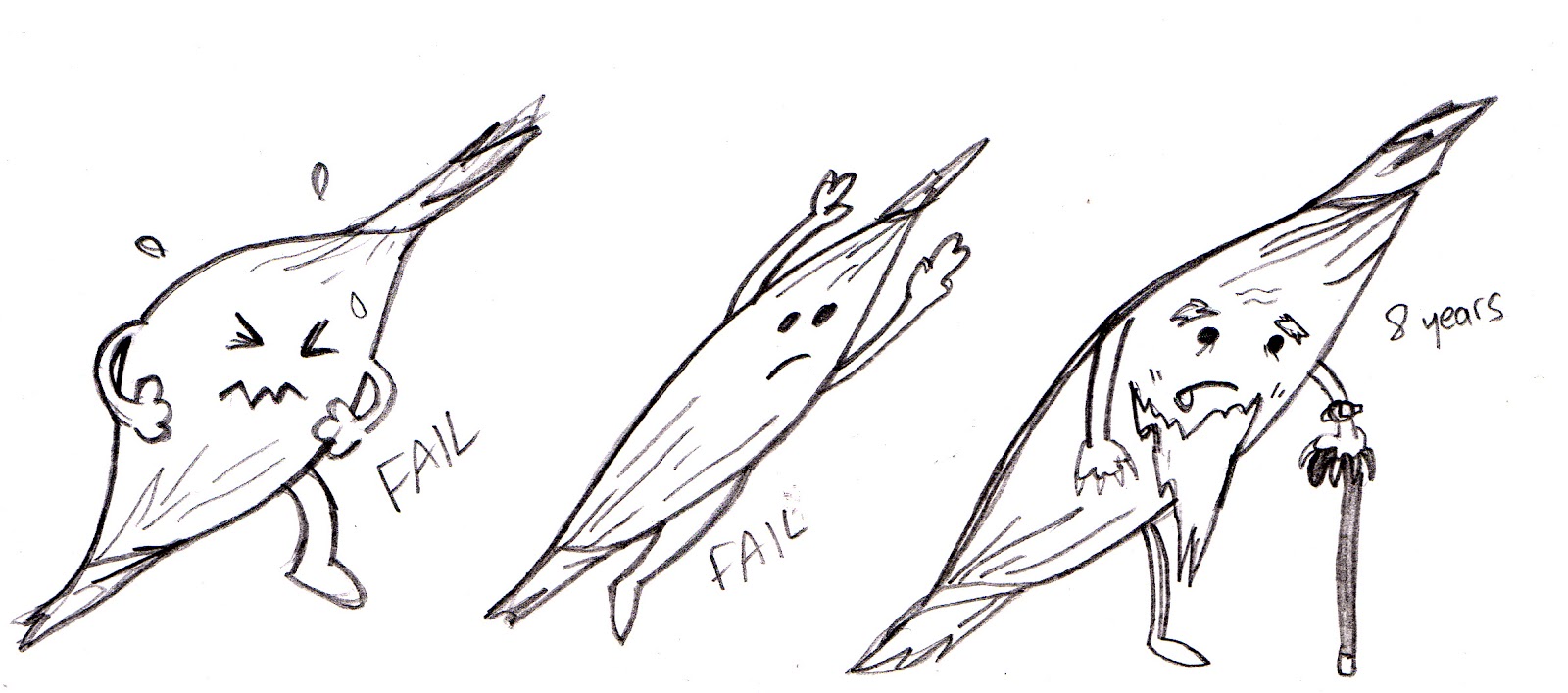
m- Then, if an order finally does come, usually it's been so long I don't have the strength to do it anymore. Or it hurts. Or I'm not long enough to reach where I need to reach. After that, who knows when I'll be asked to do soemthing again. I do a crappy job due to lack of practise, and I don't get any practise because I do a crappy job. Doesn't seem fair, does it?


h- do you understand how hard I have to work to get blood flowing around when you aren't helping? When you're actually working AGAINST me? Then when there's a work out, you know, aerobics or whatever, everyone's all "Oh, Heart, it's for your own good. You need to be stronger".


m- yea, maybe you should calm down...you're looking a little stressed...
h- I AM stressed. That's all "cardio exercise" is to me, stress.

m- I know, I know, I'm sorry. I'd help if I could. You know how much I love a drop of blood flow. It's what keeps me in such good shape.
h- You and I are a dream team when we work together, aren't we. You feel healthier, I'm not under so much strain all the time...
m- yup. You push, I pull. You get to decrease your workload, I get to not starve to death from lack of blood and wither away like an unwatered plant.

h- It would make me SO SAD if you withered away. I'd break in half. I'd miss you so much. I really appreciate you, you know? ALL of you. Even you, muscle that lifts up the pinky toe...I love you...so....much.

m- alright, alright. Don't get all sentimental on me...
h- can't help it. It's in my nature.
( Frequent, all day movement and using all your muscles every day is required to have the happiest, healthiest heart. Lots and lots of stretching and lots of walking with minimal sitting is better for your heart than exercising at the gym a few times a week after work. The more you sit, the more your muscles atrophy and shorten, and the more they resist the blood flow, causing your heart undue stress. )
Subscribe to:
Posts (Atom)